
Boyd Bone Dry provides infrared thermography for commercial roofs across Dallas-Fort Worth to help property owners find hidden moisture, identify problem areas, and make better roofing decisions. This non-invasive service helps locate concerns that may not be visible during a standard roof inspection.
.svg)


Water can move beneath the roof surface long before it shows up inside the building. Infrared thermography helps detect temperature differences that may point to trapped moisture within the roofing system.
This gives property managers a clearer picture of roof condition before repairs, restoration, or replacement decisions are made.
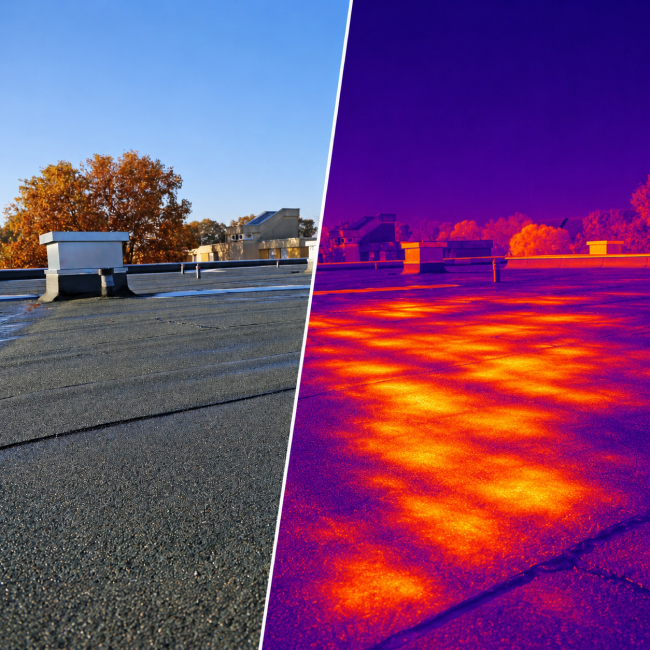
Infrared thermography is useful when a commercial roof has recurring leaks, unexplained moisture, storm damage concerns, or signs of aging. It can also help before major roofing work by showing whether the existing system has hidden moisture.This information helps property owners decide whether targeted repairs, restoration, or a larger roofing project makes the most sense.
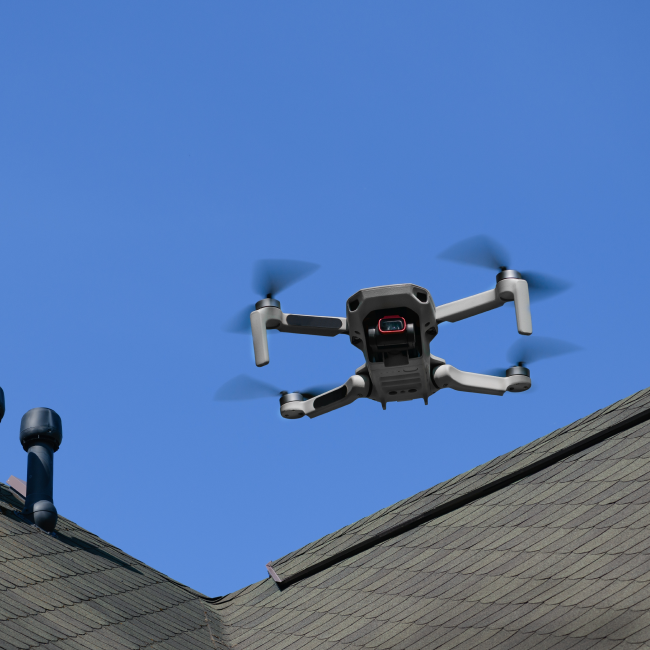
Infrared scans help identify possible moisture without cutting into the roof during the first stage of inspection.
Thermal imaging helps narrow down problem areas so repairs can be more focused and informed.
Clearer roof data helps property managers plan maintenance, repairs, or replacement with more confidence.
Thermal findings can support roof condition reports and give owners a stronger record of what is happening on the roof.
Commercial roofs in North Texas deal with heat, storms, hail, wind, and sudden weather changes. These conditions can allow moisture to enter the roof system and remain hidden until damage spreads.
Boyd Bone Dry understands how DFW weather affects commercial roofing systems. Our team uses infrared thermography as part of a practical inspection process to help property owners find issues early and protect long-term roof performance.
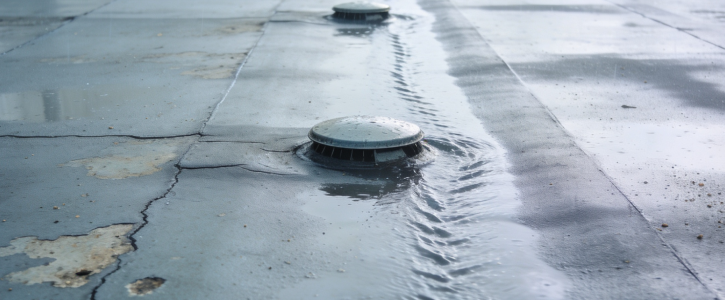

Boyd Bone Dry helps commercial property owners make informed roofing decisions with clear inspections, practical reporting, and long-term support. Our team looks beyond surface-level symptoms to understand what is happening within the roofing system.Whether you are dealing with leaks, storm concerns, or planning future roof work, infrared thermography can help provide the insight you need.

601 South Sixth Ave Mansfield, TX 76063
MAIN: (817) 477-3436
FAX: (817) 477-3438
EMAIL: contactus@boydbonedry.com
We take pride in being our customers' source for "Excellence in Roofing."
As our logo suggests, we want your facility to remain Bone Dry.


